 (Image via
The year 2025 marks a pivotal moment in global culture, characterized by a distinct shift in how society interacts with technology and community. We are moving past the initial excitement of digital immersion and entering a phase of intentional living. People are actively seeking deeper connections, authentic experiences, and a more sustainable relationship with the planet. This cultural evolution touches every aspect of daily life, from the way we work to the hobbies we pursue. Understanding these trends is crucial for navigating the changing social landscape. This article will explore the major cultural forces defining the year, including the resurgence of analog media, the evolving role of artificial intelligence, and the prioritization of mental well-being over professional ambition.
The Analog Renaissance: A Return to the Tangible
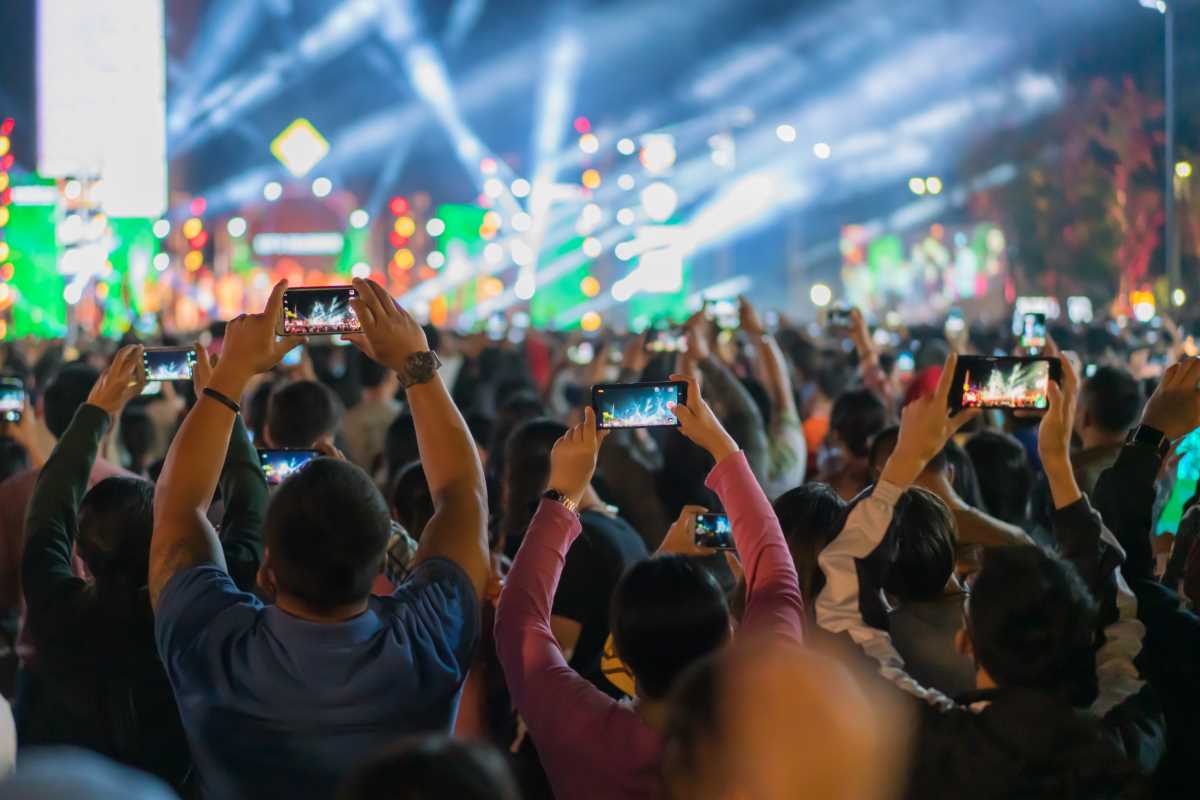
Digital fatigue has reached a tipping point, driving a powerful counter-movement known as the Analog Renaissance. Society is increasingly rejecting the "always-on" lifestyle dictated by smartphones and algorithms. This trend is not about rejecting technology entirely but about reclaiming control over our attention spans and mental space. The allure of the physical world is becoming a status symbol, representing a luxury of time and focus that screens cannot provide.
The Revival of "Dumb" Technology
Smartphones have dominated our lives for over a decade, but 2025 sees a surge in the popularity of basic mobile phones, often called "dumb phones." These devices, which typically only allow calling and texting, are becoming fashionable accessories for younger generations. Gen Z and Alpha are leading this charge, seeking to disconnect from the pressures of social media presence and constant notifications. Owning a device that cannot access the internet is now seen as a bold statement of independence. It signals a desire to be present in the moment rather than curating a digital persona.
Physical Media as a Cultural Anchor
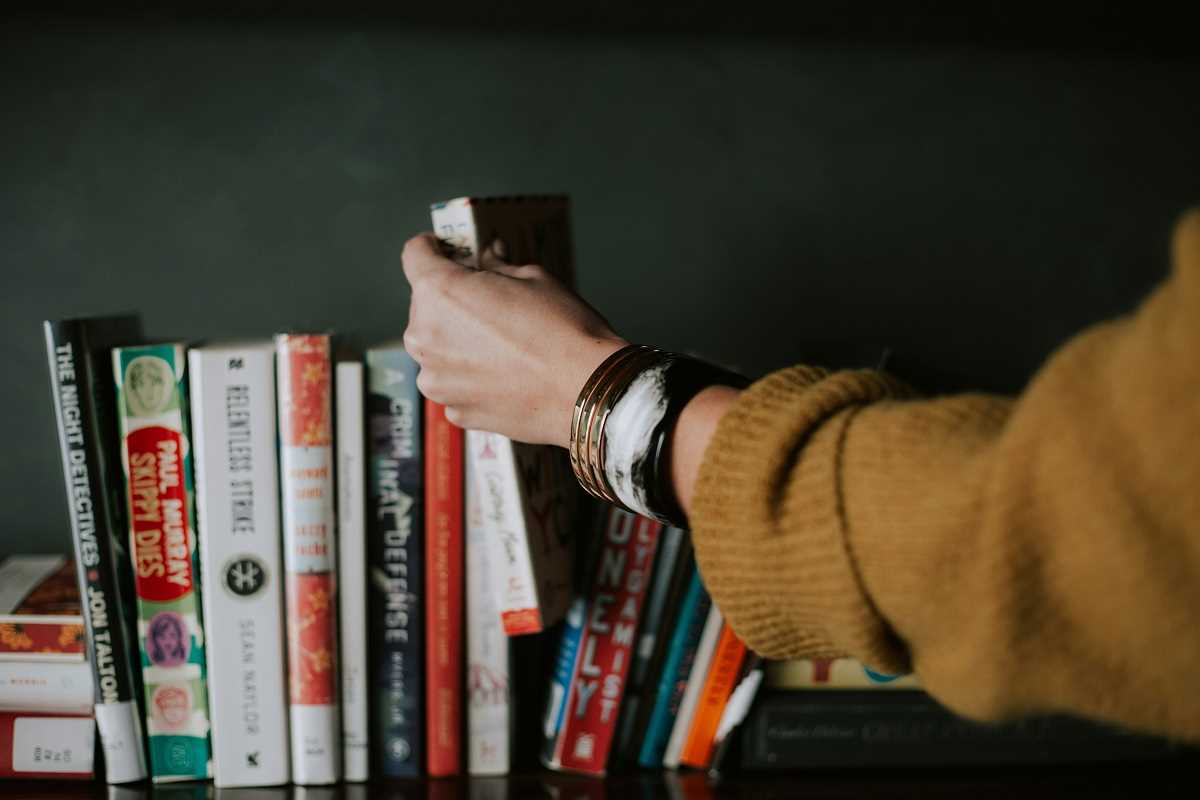
Streaming services offer convenience, but they lack permanence and ownership. Consumers are responding by investing heavily in physical media. Vinyl records have been growing for years, but now CDs, cassette tapes, and even DVDs are seeing renewed interest. People want to own their favorite music and movies without worrying about licensing agreements removing them from a platform. Holding an album or a movie creates a tangible connection to the art. It transforms the act of listening or watching into a deliberate ritual rather than background noise. This shift emphasizes the value of curation and the joy of building a personal library that exists outside the cloud.
Redefining the Human Relationship with AI
Artificial Intelligence is no longer a futuristic concept; it is integrated into the fabric of daily life. The novelty of generative AI has worn off, replaced by a more nuanced and critical perspective. In 2025, the cultural conversation revolves around the distinction between human creativity and machine generation. Society is establishing new boundaries to preserve the value of human expression.
The Premium on "Human-Made"
As AI-generated content floods the internet, verified human creation is gaining value. We are seeing the emergence of a "Human-Made" label, both literally in marketing and figuratively in cultural appreciation. Imperfections in art, writing, and music are no longer seen as flaws but as proof of humanity. Consumers are willing to pay a premium for handcrafted goods, live performances, and content that demonstrates genuine emotional depth. The sleek, perfect aesthetic often associated with AI is beginning to feel sterile to many. Consequently, raw, unpolished, and clearly human work is trending.
AI as a Utility, Not an Artist
Public sentiment is shifting toward viewing AI as a tool for drudgery rather than a replacement for creativity. The initial fear that robots would replace artists is evolving into a practical application of technology. People are comfortable using AI to schedule appointments, organize data, or automate household chores. However, there is a strong cultural pushback against using AI for personal expression. Writing a wedding vow or a condolence letter using ChatGPT is increasingly viewed as a social faux pas. We are drawing a line where efficiency ends and emotional labor begins. Technology handles the logistics, while humans handle the heart.
The Revitalization of the "Third Place"
Sociologists Ray Oldenburg coined the term "Third Place" to describe social surroundings separate from the two usual social environments of home ("first place") and the workplace ("second place"). After years of decline, exasperated by the pandemic, 2025 is witnessing a massive revival of these community hubs. Loneliness has become a major public health concern, prompting a collective effort to rebuild physical social infrastructure.
Libraries and Community Centers
Public libraries are undergoing a rebranding as the ultimate modern third place. They are no longer just repositories for books but vibrant community living rooms. These spaces offer free Wi-Fi, maker spaces with 3D printers, and social programs ranging from coding classes to gardening clubs. They are one of the few remaining indoor spaces where you can exist without spending money. This accessibility makes them critical for social cohesion. Communities are investing in these spaces to combat isolation and provide safe environments for interaction across different age groups and demographics.
The Rise of Social Hobbying
Online gaming and social media groups are being supplemented by in-person hobby groups. Run clubs, knitting circles, board game nights, and community choirs are exploding in popularity. This trend is driven by a desire for "side-by-side" socialization—doing an activity with others rather than just sitting and talking. It takes the pressure off direct conversation and allows bonds to form naturally over shared interests. These activities provide a sense of belonging and routine that remote work and digital socialization often fail to provide.
Sustainability: The Era of "Visible Mending"
Environmental consciousness has moved beyond recycling and buying "green" products. The dominant cultural trend in 2025 regarding sustainability is the circular economy, specifically the concept of repair. Throwaway culture is increasingly stigmatized, replaced by an ethos of stewardship and longevity.
Repair as a Status Symbol
Fixing a broken item is now a point of pride. The "Right to Repair" movement has influenced legislation, forcing manufacturers to make devices easier to fix. Culturally, this translates to "visible mending." Clothes with patches, darned socks, and refurbished electronics are seen as cool. They tell a story of care and skill. Fast fashion is facing a reckoning as consumers prioritize high-quality garments that can last for years. The aesthetic of 2025 is not about having the newest thing, but about having the most well-loved thing.
Thrifting and Upcycling Mainstream
Buying second-hand is no longer an alternative market; for many, it is the primary market. Gen Z and Millennials have normalized thrifting to the point where buying new furniture or clothing is often a secondary option. This shift is driven by both economic necessity and environmental ethics. Upcycling—taking a discard item and improving it—has become a major content category on social media and a common household hobby. It represents a rejection of mass production in favor of personalization and waste reduction.
The End of Hustle Culture
The glorification of overwork, often called "hustle culture," is effectively dead in 2025. In its place is a movement toward "soft living" or work-life integration. The collective burnout experienced in the early 2020s has fundamentally changed how people view their careers. Ambition is not disappearing, but it is being resized to fit within a healthy life.
The "Snail Girl" Era
Social media terms like "Snail Girl" capture the mood of slowing down. This archetype prioritizes rest, happiness, and low stress over climbing the corporate ladder. It is a direct response to the "Girlboss" era of the 2010s. Employees are setting stricter boundaries, refusing overtime, and prioritizing their mental health. Companies are being forced to adapt by offering true flexibility.
The Four-Day Work Week
Experiments with shorter work weeks have moved from pilot programs to standard practice in many industries. The four-day work week is becoming a key bargaining chip for talent. Workers are realizing that time is their most valuable currency. Productivity is now measured by output rather than hours sat at a desk. This cultural shift recognizes that rest is productive and that a well-rounded life produces better work.