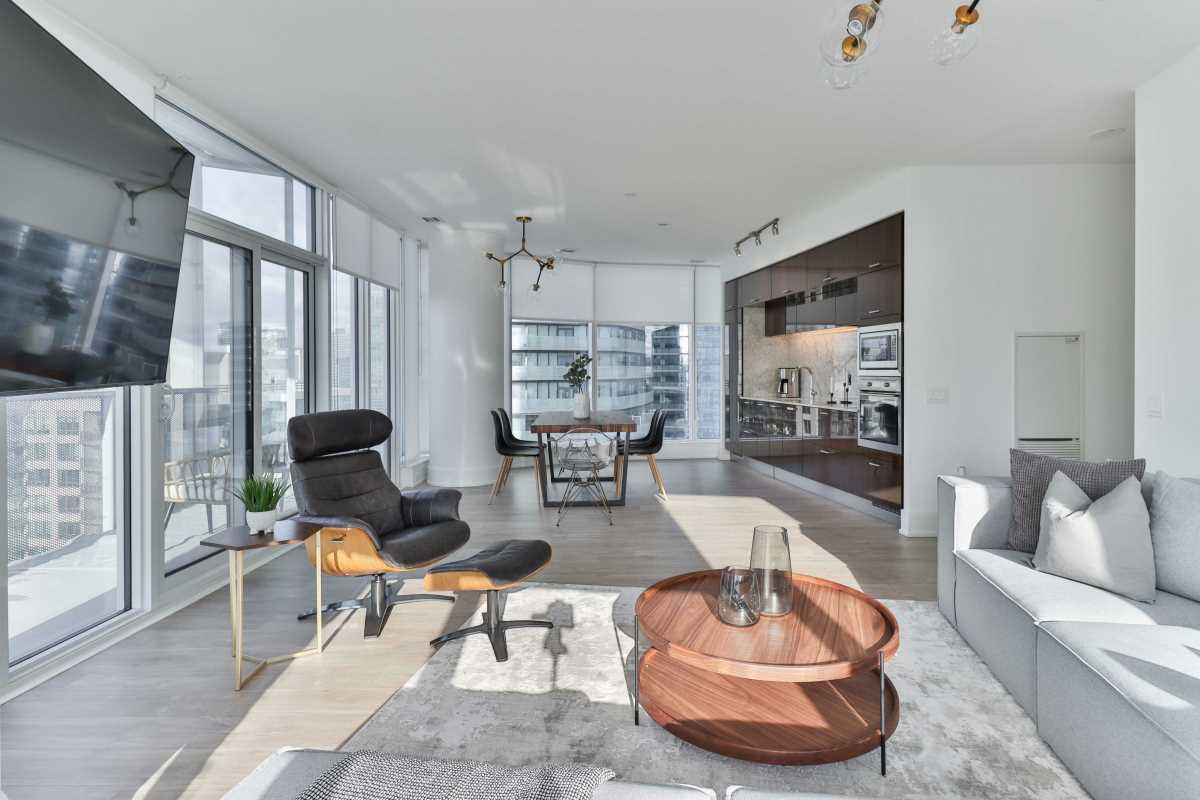
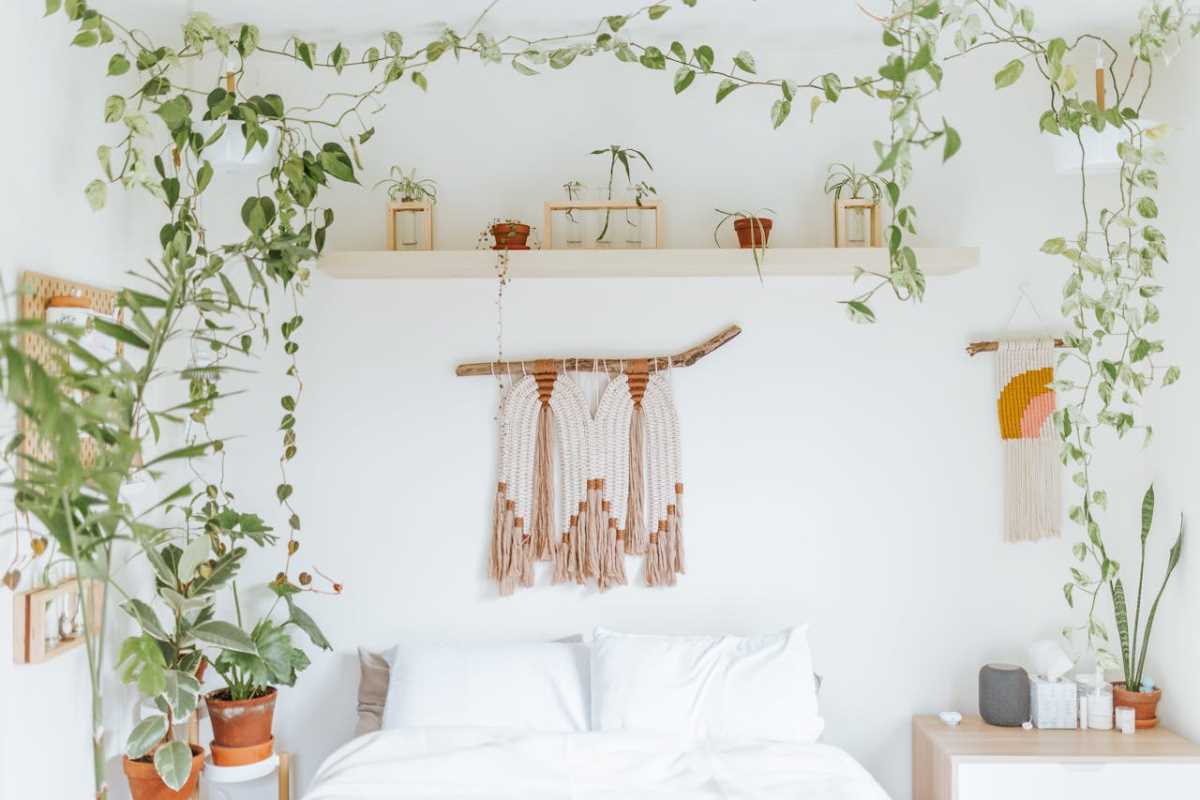
 (Image via
Your home should be a sanctuary, a place where the stress of the outside world melts away the moment you step through the door. Creating this feeling doesn't always require a major renovation or a limitless budget. Often, the most significant shifts in atmosphere come from thoughtful, intentional design choices that prioritize how a space feels just as much as how it looks. Comfort is personal, but there are universal elements of design that invite relaxation and ease. By focusing on textures, lighting, and layout, you can transform any room into a cozy retreat. This guide explores practical interior design choices that instantly elevate comfort, helping you build a home that truly nurtures you.
The Psychology of Comfort in Design
Design is about more than just aesthetics; it deeply influences our emotions and well-being. A room that feels cold or cluttered can subconsciously increase anxiety, while a space designed with comfort in mind can lower heart rates and promote a sense of safety. Our brains react to our environment constantly. Soft edges, warm lighting, and harmonious colors send signals to our nervous system that it is time to rest. Understanding this connection allows you to make decisions that go beyond trends. You begin to choose items not just because they are stylish, but because they contribute to a supportive and restorative environment for you and your family.
Key Design Elements for Maximum Comfort
Building a comfortable home involves appealing to all the senses. It isn't just about a soft sofa; it is about how the light hits the wall, how the rug feels underfoot, and how the room flows. Here are five essential design choices that can make an immediate difference.
1. Layering Textures for Depth and Warmth
Flat, one-dimensional rooms can feel sterile and uninviting. Layering different textures adds visual weight and tactile interest, making a space feel lived-in and cozy. This technique involves mixing materials to create a rich, sensory experience.
Why It Works: Texture adds variety and softness. A mix of smooth, rough, soft, and hard surfaces mimics the complexity of nature, which our brains find soothing. It breaks up monotony and invites you to touch and interact with your environment.
How to Implement It:
- Mix Fabrics: Don't stick to just one type of fabric. Combine a velvet sofa with linen throw pillows and a chunky knit blanket. The contrast between the sheen of the velvet and the roughness of the wool creates immediate warmth.
- Add Natural Elements: Incorporate wood, stone, or woven materials like rattan and jute. A wooden side table or a wicker basket adds an organic touch that grounds the space.
- Don't Forget the Floor: A plush area rug over hardwood or tile floors provides physical warmth and softness underfoot, anchoring the furniture and defining the comfort zone.
2. Mastering Ambient and Task Lighting
Harsh, overhead lighting is the enemy of comfort. It creates stark shadows and can feel like an interrogation room rather than a home. A well-designed lighting scheme uses multiple sources to create a soft, glowing atmosphere that can be adjusted to your needs.
Why It Works: Lighting sets the mood. Soft, warm light mimics the calming effect of sunset, signaling to your body that it is time to wind down. Having control over light levels allows you to customize the environment for different activities, reducing eye strain and promoting relaxation.
How to Implement It:
- The Rule of Three: Aim for at least three sources of light in each room. This could be a combination of a floor lamp, a table lamp, and overhead lighting on a dimmer switch.
- Choose Warm Bulbs: Pay attention to the color temperature of your light bulbs. Look for "warm white" or "soft white" bulbs (around 2700K to 3000K). Avoid "daylight" or "cool white" bulbs in living areas, as they can feel clinical.
- Use Dimmers: Installing dimmer switches is one of the most effective and affordable upgrades you can make. They give you instant control over the intensity of the light, allowing you to shift from bright and energetic to soft and intimate in seconds.
3. Creating Conversation Areas with Furniture Layout
Pushing all your furniture against the walls might make a room feel bigger, but it rarely makes it feel comfortable. A comfortable room encourages connection and conversation. The layout should guide people together, creating intimate pockets of space rather than a large, empty void.
Why It Works: Proximity matters. When seating is arranged in a way that allows people to face each other comfortably without shouting, it fosters social connection. A floating furniture arrangement (pulling furniture away from the walls) makes a room feel cozy and intentional.
How to Implement It:
- Face Chairs Inward: Angle armchairs towards the sofa or towards each other. This simple shift invites interaction.
- Anchor with Rugs: Use area rugs to define these conversation zones. The front legs of all seating furniture should sit on the rug to visually tie the group together.
- Consider Traffic Flow: Ensure there are clear pathways to walk through the room without bumping into furniture. A layout that is easy to navigate reduces subconscious stress and makes the space feel more welcoming.
4. Choosing a Calming Color Palette
Color has a profound impact on mood. Bright, bold colors can be energizing, but they can also be overstimulating. For a home that prioritizes comfort and relaxation, a calming color palette is essential. This doesn't mean everything has to be beige, but it does mean choosing shades that are easy on the eyes.
Why It Works: Soft, muted colors reduce visual noise. Earth tones, soft blues, greens, and warm neutrals are known to lower stress levels. They provide a gentle backdrop that allows your mind to rest, rather than constantly processing intense visual stimuli.
How to Implement It:
- Look to Nature: Colors found in nature are naturally soothing. Sage green, sky blue, sandy beige, and terracotta are excellent choices for walls and large furniture pieces.
- Follow the 60-30-10 Rule: For a balanced look, use a dominant neutral color for 60% of the room (walls, large furniture), a secondary color for 30% (curtains, rugs), and an accent color for 10% (pillows, art).
- Test Before You Paint: Paint colors look different in different lighting. Always test a swatch on your wall and observe it at different times of day before committing to a whole room.
5. Incorporating Personal Artifacts and meaningful Decor
A house becomes a home when it tells your story. A space that looks like a showroom might be beautiful, but it can feel impersonal and cold. surrounding yourself with items that have personal meaning—family photos, travel souvenirs, or cherished heirlooms—creates a deep sense of belonging and emotional comfort.
Why It Works: Nostalgia and connection are powerful comfort triggers. Seeing items that remind you of happy memories or loved ones releases oxytocin, the "bonding hormone." It makes the space feel uniquely yours, providing a sense of stability and identity.
How to Implement It:
- Curate, Don't Clutter: Choose a few special items to display rather than filling every surface. A curated collection allows each piece to be appreciated.
- Create Gallery Walls: Group family photos or artwork together in a cohesive arrangement. This creates a focal point and a conversation starter.
- Rotate Your Decor: You don't have to display everything at once. Rotating your cherished items keeps the space feeling fresh and allows you to rediscover old favorites.